Source Front Sway Bar Bushing for Mazda, Ford, and Jeep
Find and compare 20 front sway bar bushing options from Chinese suppliers. Evaluate rubber and steel materials, OEM customization, and packaging details for Mazda, Ford, and Jeep vehicles to identify suitable replacement parts.
Key considerations
Products List


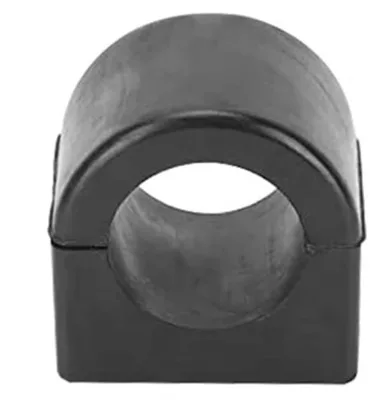


Comprehensive Sourcing Guide
Front Sway Bar Bushing Sourcing Guide
Sourcing front sway bar bushings requires a disciplined approach to aligning component specifications with vehicle suspension architecture, particularly for brands like Mazda, Ford, and Jeep where these parts are explicitly noted as compatible. The front position is critical for managing body roll and maintaining steering stability, meaning buyers must verify that the selected bushing kit matches the specific axle configuration and mounting points of their target fleet. While some listings indicate a "Front" position, others may list "Rear" or generic "Axle" types, necessitating a rigorous review of the product model numbers and physical dimensions before placing an order.
Buyers should also navigate the variability in product conditions and packaging standards observed in the market, ranging from "New" to "Used" items and from "Boxed" to "Pallet" or "Ocean Freight" shipping configurations. The availability of customization options allows for tailored solutions, yet the presence of "Used" items alongside "New" ones in the same search results demands a clear definition of quality expectations. Understanding whether the supplier offers OEM-style production or strictly aftermarket alternatives is essential, as the data indicates a mix of standard rubber components and steel-based assemblies that serve different durability requirements.
Product Scope and Observed Listing Signals
The product scope for front sway bar bushings encompasses a variety of kit configurations, including specific model numbers like MB338595 and 48815-05120, which often correspond to specific vehicle generations or suspension designs. Listings frequently highlight the material composition, with rubber being the dominant standard for noise reduction and vibration damping, though steel and plastic variants are also present in the market data. This diversity suggests that buyers must carefully cross-reference the material type with the intended application, as rubber bushings are typically preferred for standard comfort-oriented suspensions, while steel components might be specified for heavy-duty or off-road modifications.
Listing signals reveal a wide range of packaging and quantity options, with some products sold as a "2 PCS" set while others are packaged in customized cartons or on pallets for bulk industrial shipping. The observed price range of $0.01 to $30 USD indicates significant variance based on material quality, brand licensing, and order volume, requiring buyers to look beyond the unit price to understand the total cost of ownership. Additionally, the presence of "Many" color options alongside specific colors like "Blue" or "Grey" suggests that cosmetic customization is available, though the functional performance of the bushing remains the primary procurement driver.
Technical Specifications to Verify
Verifying technical specifications begins with confirming the exact model number and compatibility with the target vehicle brand, as the data shows specific part numbers like 199100680066 and AZ9925688204 that must match the vehicle's original equipment manufacturer (OEM) requirements. Buyers should prioritize checking the "Position" attribute to ensure the component is designed for the front axle, as rear bushings have different load characteristics and mounting geometries. The "Size" attribute, often listed as "2 PCS" or requiring direct inquiry, must be validated against the physical dimensions of the sway bar to ensure a proper fit without requiring modification.
Material and standard compliance are equally critical, with the market showing a split between "Rubber" and "Steel" materials, as well as varying standards such as "Standard" or customer-specific requirements. The "Fuel Type" attribute, noting compatibility with "Diesel/Gas" engines, implies that the bushing must withstand the torque and vibration profiles of different powertrains, while the "Automatic" transmission designation suggests the component must handle the specific load cycles of automatic gear shifts. Buyers must also confirm the "Condition" of the product, distinguishing between "New" and "Used" items, as the latter may have compromised structural integrity or reduced service life.
Compliance and Safety Documentation
Compliance and safety documentation for front sway bar bushings should focus on verifying that the product meets the necessary industry standards for automotive suspension components, with "CE" certification appearing as a notable marker in the available data. While the data mentions "Standard" as a general classification, buyers must ensure that the specific rubber or steel materials used comply with regional safety regulations regarding durability and environmental resistance. The absence of explicit certification details for all listed items means that procurement teams must request proof of compliance from the supplier, particularly for vehicles intended for export to markets with strict safety mandates.
Safety verification also extends to the manufacturing origin and quality control processes, with the majority of products originating from "China" and specifically "Hebei Province." Buyers should request documentation regarding the production standards, such as whether the "RUBBER" standard mentioned refers to a specific chemical composition or a general material grade. Additionally, the "By The Customer Needs" standard indicates a high degree of customization, which requires clear communication of safety requirements to ensure the final product meets the vehicle's operational safety limits.
Cost Drivers and Commercial Terms
Cost drivers for front sway bar bushings are heavily influenced by the material composition, with rubber components generally offering a balance of cost and performance, while steel or specialized plastic variants may command higher prices. The observed MOQ of 200 PCS for some listings and a range of 1 to 1000 units across the market suggests that economies of scale play a significant role in pricing, with smaller orders potentially incurring higher per-unit costs. Buyers should also consider the packaging requirements, as "Customized Carton Packaging" or "Pallet" shipping may add to the overall logistics cost compared to standard box packaging.
Commercial terms such as lead time and delivery periods are critical factors in the procurement process, with a standard delivery window of 15-30 days observed in the market data. The "Ocean Freight" option indicates that international shipping is a primary mode of transport, which can introduce variability in lead times depending on port congestion and customs clearance. Buyers must negotiate clear terms regarding payment schedules and shipping responsibilities, especially when dealing with customized orders that may require additional production time beyond the standard delivery period.
Supplier Qualification and Quality Control
Supplier qualification should prioritize manufacturers with a proven track record in producing suspension components for major brands like Mazda, Ford, and Jeep, as indicated by the compatibility data. The availability of "Customization" services suggests that suppliers are capable of adapting their production lines to meet specific buyer requirements, but this capability must be validated through sample testing and quality audits. Buyers should verify the supplier's ability to maintain consistent quality across different batches, particularly when dealing with "Used" items or non-standard materials that may have higher variability.
Quality control processes must be robust enough to handle the diverse range of product attributes observed, from "Blue" and "Grey" color options to varying material standards. The "Ask" and "Chat with Supplier Now" attributes for weight and package dimensions highlight the need for direct communication to ensure that all specifications are met before production begins. Buyers should establish a clear quality assurance protocol that includes pre-shipment inspections and testing for durability, ensuring that the final product meets the required performance standards for front sway bar applications.
Long-Term Procurement Checks
Long-term procurement checks should focus on the consistency of product quality and the reliability of the supply chain over multiple order cycles. Buyers must monitor the performance of the bushings in real-world conditions, tracking any issues related to premature wear, material degradation, or fitment problems that may arise after the initial installation. The "Standard" and "Customer Needs" attributes suggest that specifications may evolve, requiring ongoing communication with the supplier to ensure that the product continues to meet the vehicle's operational requirements.
Supply chain resilience is another critical factor, with the "15-30 Days" delivery period serving as a baseline for planning inventory levels. Buyers should develop contingency plans for potential delays, especially when sourcing from "Hebei Province" or other regions where logistics can be affected by external factors. Regular reviews of supplier performance, including adherence to lead times and quality standards, will help maintain a stable procurement process and ensure that the front sway bar bushings continue to support the vehicle fleet's safety and performance needs.
FAQs
What is the standard material for front sway bar bushings?
The standard material is rubber, which provides essential flexibility and noise dampening for suspension systems. Some variants may use plastic or steel components depending on the specific application. Buyers should verify the material composition with the supplier to ensure compatibility with their vehicle's performance requirements and environmental conditions.
Can I customize the packaging for bulk orders?
Yes, customization is available for packaging needs. Suppliers offer options such as pallets, boxes, or customized carton packaging to suit logistics requirements. Buyers should communicate specific packaging preferences directly with the supplier to ensure the products are protected during transit and meet their warehouse handling standards.
Which car brands are these bushings suitable for?
These bushings are suitable for Mazda, Ford, and Jeep brands. They are designed to fit specific models within these manufacturers, often targeting front position applications. Buyers must confirm the exact model compatibility with the supplier before purchasing to ensure a proper fit and optimal suspension performance for their specific vehicle.
What is the typical lead time for delivery?
The typical delivery period ranges from 15 to 30 days. This timeframe allows for production and quality checks before shipment. Buyers should plan their inventory accordingly and discuss any urgent requirements with the supplier to potentially expedite the process or adjust order quantities to meet their operational timelines.
What is the minimum order quantity for these parts?
The minimum order quantity is typically 200 pieces. This MOQ ensures efficient production runs for manufacturers. Buyers with smaller needs should inquire about flexibility or alternative suppliers, as the standard requirement is set to optimize manufacturing costs and maintain consistent quality across larger batches of sway bar bushing kits.
Are these bushings available in new condition?
Yes, new condition parts are available alongside used options. Buyers seeking brand-new components should specify this requirement when contacting suppliers. New bushings generally offer better longevity and performance compared to used ones, making them preferable for vehicles undergoing maintenance or restoration projects requiring reliable suspension components.